



 English
Resources
Resources
 Share
Share
Share this article
What Really Affects Your Credit Score (and What Matters Most)
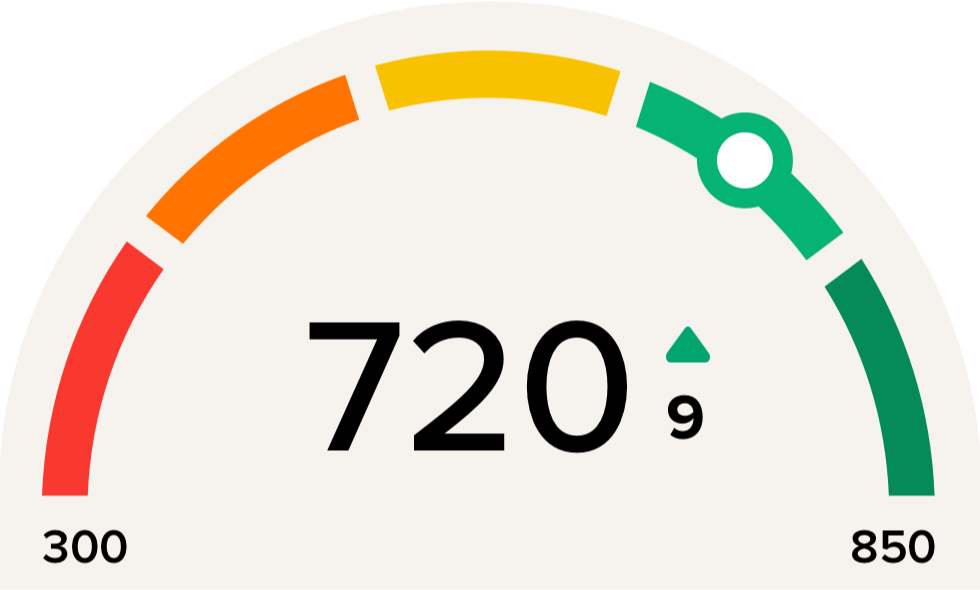
Your credit score plays a role in many financial decisions, from loan approvals to interest rates. But for something so important, it can often feel confusing or even intimidating.
The good news is this. Your credit score is not a mystery, and you do not need to do everything perfectly to build or maintain it. Understanding what actually affects your score can help you focus on the things that matter most and build financial confidence along the way.
Credit scores can vary depending on the scoring model used and the information in your credit report, but most widely used models consider similar factors. Here is a breakdown of what typically has the biggest impact.
Payment History Matters the Most
Your payment history is generally the most important factor in your credit score.
Lenders want to see whether you pay your bills on time. Making consistent, on-time payments shows reliability and responsible credit use.
Things that help:
- Paying at least the minimum amount due on time each month
- Keeping accounts current
- Catching up quickly if you miss a payment
Things that can hurt:
- Late or missed payments
- Accounts sent to collections
- Repeated payment issues over time
If you focus on just one habit, this is it. Paying on time builds a strong foundation for your credit profile.
Credit Utilization Can Make a Big Difference
Credit utilization refers to how much of your available credit you are using, particularly on revolving accounts like credit cards.
In general, using a smaller portion of your available credit is viewed more favorably than consistently carrying high balances. For example, if you have a credit card with a $5,000 limit, regularly using only part of that limit may support healthier credit over time.
Helpful practices include:
- Keeping balances manageable relative to your credit limits
- Paying down balances gradually when possible
- Avoiding maxed-out credit cards
While credit scoring models may weigh utilization differently, lower balances are typically associated with stronger credit habits over time.
Length of Credit History Builds Over Time
The length of your credit history helps lenders understand your long-term borrowing behavior.
This can include:
- How long your accounts have been open
- The age of your oldest account
That is why older accounts can be helpful, when they still make sense for your financial situation. Building credit takes time, and consistency often matters more than quick changes.
New Credit and Inquiries Play a Smaller Role
Applying for new credit can result in a small, temporary change to your credit score. This is normal and usually short term.
Opening several new accounts within a short period, however, can raise concerns, as it may signal increased financial strain.
When considering new credit:
- Apply intentionally, not impulsively
- Space out applications when possible
- Open accounts you truly need and can manage responsibly
The impact of new credit can vary based on your individual credit history and circumstances.
Credit Mix Matters Less Than You Might Think
Credit mix looks at the different types of credit you use, such as credit cards, auto loans, or mortgages.
While having a mix of credit types can be beneficial, it is far less important than payment history and credit utilization. You should never take on debt solely to improve your credit mix.
What Is Considered a Good Credit Score?
Credit scores are often grouped into general ranges, but what is considered a good score can vary depending on the lender, the type of credit, and the scoring model used.
As a general reference:
- Excellent: 800 and above
- Very good: 740 to 799
- Good: 670 to 739
- Fair: 580 to 669
- Poor: Below 580
These ranges are meant to provide general context, not guarantees. A good score does not automatically mean approval, and a lower score does not mean you cannot qualify for credit. Lenders also consider factors like income, existing debt, and your overall financial picture.
What matters most is building healthy credit habits over time, not reaching a specific number.
What Matters Most for Building Credit Confidence
If improving or maintaining your credit feels overwhelming, focus on these core habits:
- Pay bills on time, every time
- Keep credit card balances manageable
- Avoid taking on unnecessary new debt
Small, consistent actions can make a meaningful difference over time. You do not need to do everything at once to see progress.
Check Your Credit Score Anytime
Understanding your credit health is an important part of building financial confidence. With Central Pacific Bank’s mobile app, you can enroll to access credit score tools designed to help you stay informed and track your progress over time.
Once enrolled, you can:
- View your current credit score
- Access your credit report
- Explore educational tools that help explain credit and support healthy habits
- See personalized credit insights based on your profile
You can find this feature directly on the app homepage under View Credit Score, or by navigating to Menu > Credit Score.
And if you ever have questions about what you are seeing, our team is here to help talk it through.
This content is provided for general informational and educational purposes only and is not intended as financial, legal, or investment advice. Individual circumstances may vary. For guidance specific to your situation, please consult a qualified professional.